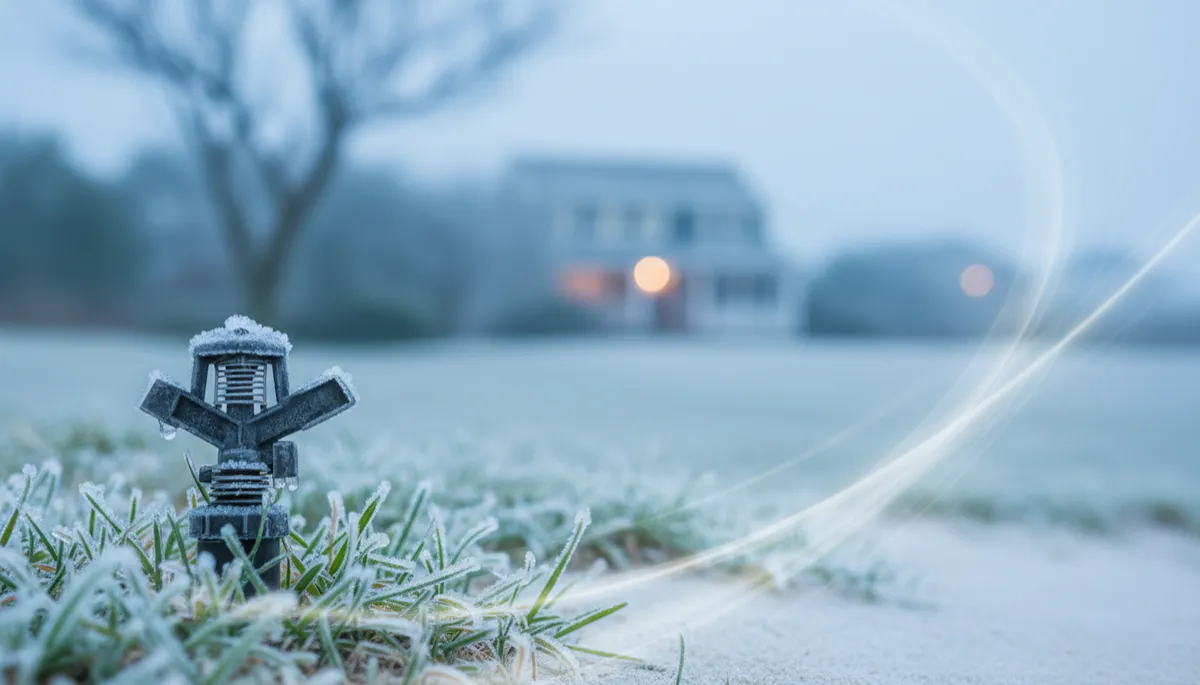
Winterize Your NJ Irrigation System Timely
Irrigation, Winterization, New Jersey Landscaping
When Should You Winterize Your Irrigation System in New Jersey?
For homeowners in Ocean and Monmouth Counties, a healthy landscape depends on more than just watering in the summer. Protecting your irrigation system before winter is just as important. Knowing when and how to schedule irrigation winterization in New Jersey can prevent costly damage and help your system start up smoothly in the spring.
Why Irrigation Winterization Matters in New Jersey’s Climate
New Jersey’s climate, especially along the Jersey Shore, brings a mix of mild days and sudden cold snaps in late fall and early winter. In Ocean County and Monmouth County, temperatures can swing from the 50s one day to below freezing the next. That variability is exactly why irrigation winterization New Jersey services are so important. Water trapped in irrigation pipes, valves, and sprinkler heads can freeze, expand, and crack components long before winter has fully set in.
Unlike regions that stay consistently below freezing, our coastal climate often lulls homeowners into waiting “just a little longer.” Unfortunately, it only takes one hard overnight freeze for damage to occur. After more than three decades working with local properties, New Dimensions Landscaping has seen many systems fail in spring because they were winterized too late or not thoroughly enough.
The Best Time of Year to Winterize Your Irrigation System in NJ
For most residential properties in Ocean and Monmouth Counties, the ideal window for sprinkler winterization NJ services is from mid-October through mid-November. By this point, lawns and plantings are beginning to go dormant, and the demand for irrigation naturally tapers off. At the same time, nighttime temperatures are starting to dip close to freezing, especially in open or low-lying areas.
The goal is to schedule winterization before regular overnight freezes arrive, not after. Waiting until the first hard freeze is risky because forecasts are not perfect, and microclimates across Ocean County and Monmouth County can vary. A property closer to the bay or ocean may hold warmth a bit longer, while inland or shaded yards can freeze sooner. Booking your irrigation winterization Ocean County NJ or irrigation winterization Monmouth County NJ service early in the season helps avoid last-minute scheduling bottlenecks and reduces the chance of weather-related surprises.
💡 Pro Tip: Many homeowners find it helpful to schedule winterization at the same time each year—often right after fall lawn cleanups or leaf removal—so it becomes a routine part of seasonal property care.
Why You Shouldn’t Wait for the First Hard Freeze
It is a common misconception that you can safely run your irrigation system until the first truly hard freeze. In reality, damage can begin at temperatures just below 32°F, especially if cold conditions persist overnight or over several days. Water in shallow pipes, exposed backflow preventers, and sprinkler heads is particularly vulnerable. Even a light freeze can create ice plugs in low spots of the system, setting the stage for cracks as temperatures fluctuate.
Another concern is timing. When a sudden cold front is forecast, every irrigation company’s phone starts ringing at once. If you wait until a freeze warning to call for sprinkler blowout service, you may find that schedules are already full. Planning ahead allows your system to be winterized under calm, controlled conditions instead of rushed just before a storm or cold snap.
What Happens When Water Remains in Your Irrigation System
Any water left in your irrigation components can freeze and expand, stressing materials that were never designed to handle that pressure. Over time, this can lead to:
Pipes: PVC and polyethylene lines can crack or split along their length, often underground where issues are not immediately visible.
Valves: Internal components, seals, and housings can fracture, causing leaks or zones that will not shut off properly in spring.
Backflow preventers: These critical devices, often located above ground, are especially vulnerable. Freeze damage here can be expensive and may temporarily compromise the safety of your domestic water supply until repaired.
Sprinkler heads: Trapped water can crack housings, damage risers, and cause heads to leak or fail to pop up correctly.
Often, homeowners do not realize there is a problem until spring startup, when they notice unusually low pressure, soggy areas in the lawn, or zones that will not operate correctly. At that point, the repair cost can far exceed the price of proper irrigation winterization New Jersey service in the fall.
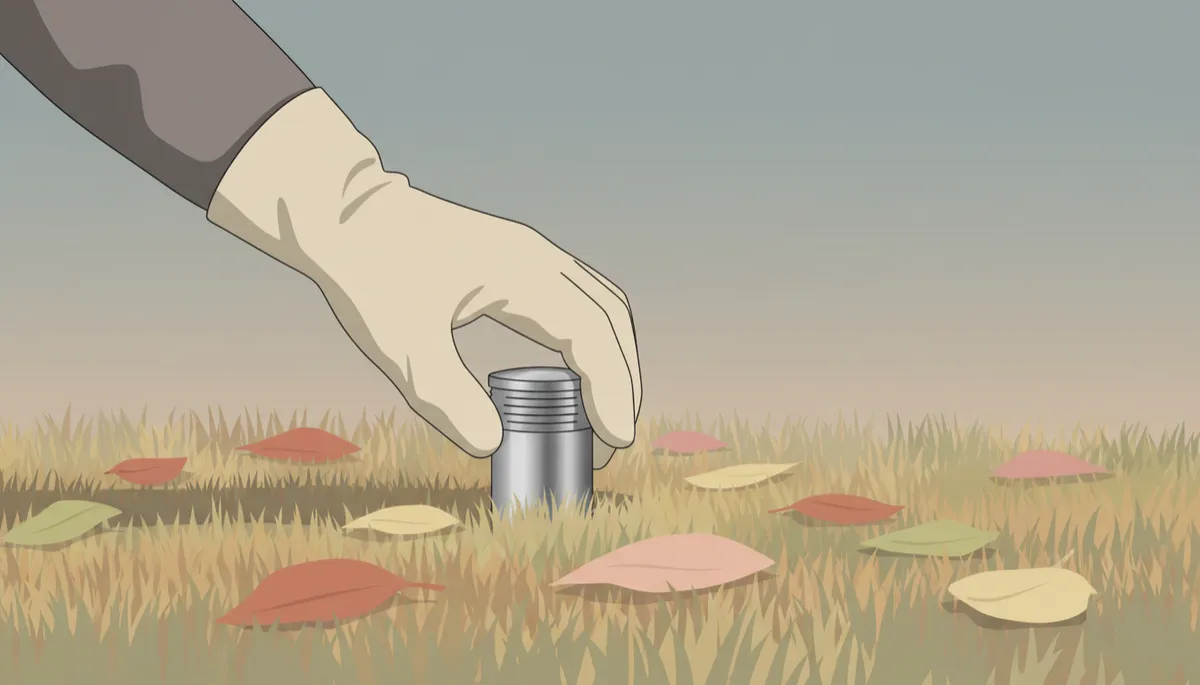
Inspecting heads and valves during winterization helps prevent surprise repairs in spring.
Why Professional Compressed-Air Blowout Is Used
To properly protect a system, professionals use compressed air to blow residual water from the lines, valves, and sprinkler heads. This process, commonly called a sprinkler blowout, is the industry standard for sprinkler winterization NJ because it reaches areas that gravity alone cannot clear. Simply shutting off the water and opening a few drains is rarely enough, especially on larger or more complex systems with multiple zones and elevation changes.
A trained irrigation technician connects a compressor to the system at the appropriate access point and works through each zone in sequence. The air is applied at controlled pressures suitable for irrigation components, which is important—too much pressure can damage fittings and sprinkler heads. Using the right equipment and techniques helps ensure that as much water as practical is removed without stressing the system.
⚠️ Warning: Renting a high-powered compressor and attempting a DIY blowout can easily lead to over-pressurizing the system. Professional technicians understand the correct pressures and procedures for residential irrigation components.
The Winterization Process in Homeowner-Friendly Terms
While every property is a bit different, a typical irrigation winterization New Jersey visit from a professional company like New Dimensions Landscaping generally follows a consistent sequence:
Shut off the water supply: The main irrigation shutoff valve is closed to stop water from feeding the system.
Prepare the backflow preventer: Valves on the backflow device are adjusted to allow air and water to move safely through during blowout.
Connect compressed air: The technician attaches a compressor to the system at the designated access point, usually near the backflow or main manifold.
Clear each zone: Zones are activated one at a time while air is introduced, forcing water out through the sprinkler heads. The process continues until only air (and a fine mist) is coming from each head.
Protect controls: The controller is adjusted to a winter or “off” setting so the system does not attempt to run during the cold months.
Throughout this process, an experienced technician is also watching for signs of existing leaks, broken heads, or unusual behavior in each zone that may be worth addressing at spring startup.
Special Irrigation Considerations for Jersey Shore Properties
Properties along the Jersey Shore in Ocean and Monmouth Counties present unique irrigation challenges. Coastal soils often have higher sand content, which drains quickly but can also shift and settle around buried lines. Some neighborhoods have pockets of heavier or compacted soils, especially in older established landscapes. These conditions influence how systems are designed and how they behave over time, including during winterization.
Exposure is another factor. Homes closer to the ocean or bay frequently experience stronger winds and more open exposure, which can cool irrigation components faster on cold nights. Backflow preventers and above-ground piping mounted on exterior walls or in side yards may be more susceptible to early-season freezing, even when inland areas remain above freezing. Properly timed irrigation winterization Ocean County NJ and irrigation winterization Monmouth County NJ services help account for these local conditions.
Many Jersey Shore properties also feature a mix of irrigation zones: turf areas, foundation plantings, shrub beds, and sometimes drip irrigation for gardens or containers. Each of these zones may have different depths, pipe sizes, and components. A professional technician familiar with coastal New Jersey landscapes will understand how to adjust the blowout process for each zone so that shallow lines, drip tubing, and specialty heads are all properly cleared without damage.
Warning Signs Your System Was Not Properly Winterized
If your system was winterized late, done as a quick DIY job, or handled by someone unfamiliar with your property, there are a few warning signs to watch for—either over the winter or at spring startup:
Water leaking or dripping from the backflow preventer or exterior piping during a thaw.
Visible cracks, bulges, or splits in exposed PVC or fittings near the house or valve boxes.
In spring, zones that will not pressurize, have very low pressure, or cause unexplained wet spots in the lawn when running.
Sprinkler heads that stay stuck up, do not pop up, or leak heavily around the base.
If you notice any of these issues, it is worth having a professional evaluate the system before the main watering season begins. Addressing winter-related damage early can prevent water waste and protect your landscape investment.
Spring Startup: An Opportunity to Inspect and Fine-Tune
A thorough winterization sets the stage for a smooth spring startup. When it is time to bring your system back online, that visit is more than just turning the water back on. It is an opportunity to carefully inspect for leaks, damaged heads, and coverage issues that may have developed over the winter or gone unnoticed the previous season.
During spring startup, a knowledgeable technician will gradually pressurize the system, checking each zone for proper operation. Heads are adjusted for direction and height, clogged nozzles can be cleaned or replaced, and any signs of winter damage—such as cracked fittings or misaligned heads—are identified. This is also a good time to review your watering schedule to match current plant needs and local conditions in Ocean and Monmouth Counties.
FAQ: Common Questions About Irrigation Winterization in New Jersey
When exactly should I schedule irrigation winterization in Ocean or Monmouth County?
Most homeowners should plan for winterization between mid-October and mid-November, before regular overnight freezes become common. Scheduling earlier in that window provides a buffer in case of an early cold snap or busy service calendars.
Do I really need a professional for a sprinkler blowout?
While it may be tempting to rent a compressor and try it yourself, using the wrong pressure or technique can damage valves, fittings, and sprinkler heads. A professional familiar with irrigation winterization New Jersey systems will know how to safely clear each zone and protect sensitive components like the backflow preventer.
What if I miss winterization and we already had a freeze?
It is still worth having the system evaluated and winterized as soon as possible. A single light freeze does not always cause damage, but repeated freeze–thaw cycles increase the risk. A technician can look for early signs of issues and still perform a blowout to protect the system for the rest of the winter.
Will winterization harm my irrigation system or plants?
When done correctly, winterization does not harm the system or your landscape. Compressed air is introduced at safe pressures, and the process is focused on removing water from the irrigation lines and components. By the time winterization is performed, plants are already entering dormancy and no longer rely on regular irrigation.
Is winterization still necessary if I have a shallow or drip-only system?
Yes. Shallow lines and drip tubing can be especially vulnerable to freezing because they are closer to the surface. Even though they use lower water volumes, any water left inside can still freeze and damage fittings or emitters. Proper winterization helps protect all zones, including drip and specialty areas.
Schedule Irrigation Winterization with a Local New Jersey Expert
Since 1989, New Dimensions Landscaping has been helping homeowners in Ocean and Monmouth Counties protect and enhance their properties. Our team understands the specific demands of coastal New Jersey landscapes, from soil conditions and exposure to the wide range of irrigation system designs found across the region. When you schedule irrigation winterization Ocean County NJ or irrigation winterization Monmouth County NJ service with us, you are working with a company that treats your system as part of a long-term landscape investment, not just a seasonal task.
If you are unsure whether your system has been properly winterized in the past, or you would like to coordinate winterization and spring startup as part of a comprehensive maintenance plan, we are here to help. Contact New Dimensions Landscaping to schedule professional irrigation winterization and ensure your system is ready for whatever New Jersey’s winter brings—and prepared to support a healthy, attractive landscape when spring returns.
